1. What is an EN 14399-10 HRC bolt?
EN 14399-10 HRC bolts are high-strength structural bolting assemblies designed for preloaded steel connections. They use a splined end that breaks off during installation to achieve the required preload.
2. What does HRC mean in EN 14399-10?
HRC refers to a high-strength structural bolting system with calibrated preload. The bolt is installed using a special shear wrench, which controls the preload by twisting off the spline end.
3. What strength grade is EN 14399-10?
EN 14399-10 bolts are typically manufactured in Property Class 10.9, providing high tensile strength and excellent load-bearing performance for structural applications.
4. What are the common sizes available?
Standard sizes include:
M12/M16/M20/M22/M24/M27/M30/M36
Custom lengths are also available upon request.
5. What is the difference between EN 14399-10 and EN 14399-4?
EN 14399-4 uses the HR system with torque tightening, while EN 14399-10 uses the HRC system with a splined end and tension control installation, ensuring consistent preload.
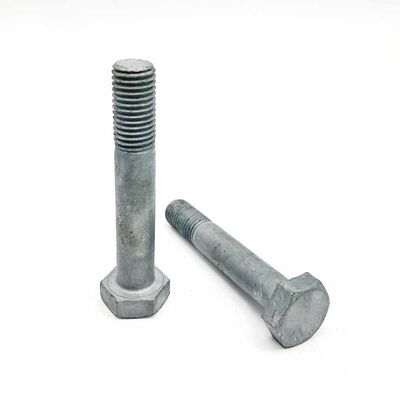
6. Can EN 14399-10 bolts be hot-dip galvanized?
Yes. EN 14399-10 bolts can be supplied with hot-dip galvanizing, zinc plating, or other corrosion-resistant coatings depending on the application environment.
7. What applications are EN 14399-10 bolts used for?
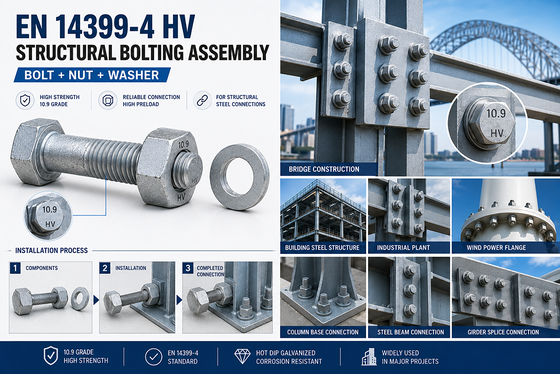
These bolts are widely used in:
Steel structures
Bridges
Industrial buildings
Power transmission towers
Wind energy projects
Heavy construction projects
8. What installation tools are required?
EN 14399-10 HRC bolts are installed using a specialized shear wrench or tension control wrench that grips the spline end and twists it off when the required preload is achieved.
9. Are nuts and washers included?
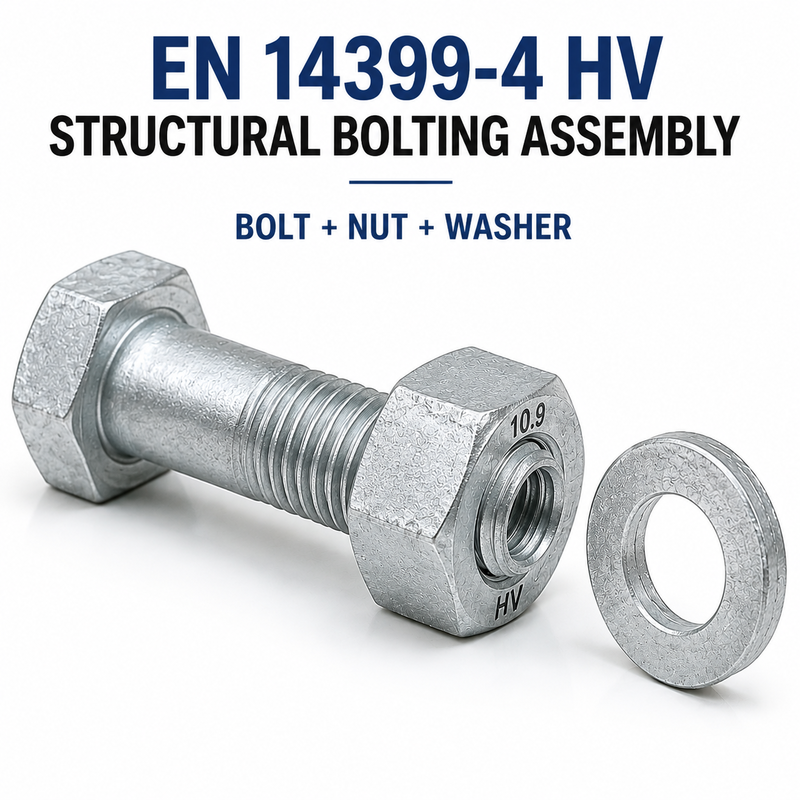
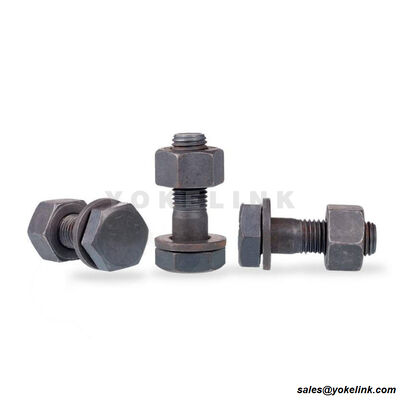
Yes. EN 14399-10 bolts are normally supplied as a complete assembly consisting of:
One HRC bolt
One heavy hex nut
Two washers
This ensures proper preload performance.
10. Can YOKELINK provide customized sizes and markings?
Yes. YOKELINK can manufacture customized lengths, coatings, head markings, and packaging according to customer requirements and project specifications.